Common Car Electrical Fixes Explained

When you own a luxury foreign vehicle, you expect everything to work flawlessly. But sometimes, electrical issues can sneak in and cause frustration. I’ve worked with many high-end cars in Waldorf, MD, and surrounding DMV areas, and I want to share some common car electrical fixes that can help you understand what might be going on under the hood. Knowing these basics can save you time and money, and help you communicate better with your mechanic.
Understanding Common Car Electrical Fixes
Luxury vehicles come with complex electrical systems. From advanced lighting to infotainment and safety features, these cars rely heavily on electricity. When something goes wrong, it’s often due to a few common problems:
Dead or weak battery: Even the best batteries wear out.
Faulty alternator: This charges your battery while driving.
Blown fuses: Protect circuits but can fail.
Bad wiring or loose connections: Can cause intermittent issues.
Malfunctioning sensors or modules: Control various systems.
Let’s break down these issues and how you can spot them.
Battery Problems
Your car’s battery is the heart of the electrical system. If it’s weak or dead, your car won’t start or may have dim lights. Here’s what to check:
Look for corrosion on battery terminals.
Test the battery voltage with a multimeter (should be around 12.6 volts when off).
If the battery is old (over 3-5 years), consider replacement.
Sometimes, a battery drains quickly because of a parasitic draw, which means something is using power when the car is off. This requires professional diagnosis.
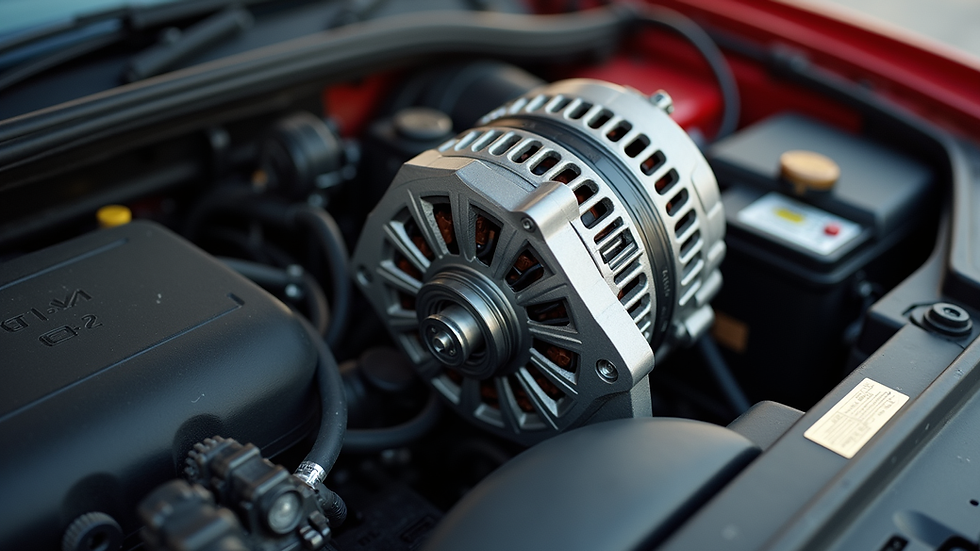
Alternator Issues
The alternator keeps your battery charged while driving. Signs of a failing alternator include:
Dim or flickering headlights.
Warning lights on the dashboard.
Electrical accessories acting up.
You can test the alternator by measuring voltage at the battery with the engine running. It should read between 13.5 and 14.5 volts. If it’s lower, the alternator may need repair or replacement.
Blown Fuses and Relays
Fuses protect your car’s electrical circuits. If a fuse blows, the related system stops working. For example, if your power windows fail, check the fuse box for a blown fuse.
Locate the fuse box (usually under the dashboard or hood).
Use the fuse diagram to find the right fuse.
Inspect the fuse for a broken filament.
Replace with the same amperage fuse.
Relays work like switches for high-current circuits. A faulty relay can cause intermittent problems and may need swapping.
Wiring and Connection Problems
Wiring issues are tricky because they can cause random electrical failures. Look for:
Frayed or damaged wires.
Loose or corroded connectors.
Signs of water damage.
If you notice flickering lights or systems that work only sometimes, wiring could be the culprit. Repairing wiring requires careful inspection and sometimes rewiring parts of the harness.
How much do electricians charge to come to your house?
If you’re wondering about the cost of having an electrician come to your home for car-related electrical issues, it varies widely. For automotive electrical work, most professionals prefer you bring the vehicle to a shop equipped with diagnostic tools. However, if you need an electrician for home charging stations or garage wiring, typical rates in the DMV area range from $75 to $150 per hour, plus a service call fee of $50 to $100.
For complex car electrical fixes, especially on luxury foreign vehicles, it’s best to rely on specialized automotive technicians rather than general electricians. They have the right tools and experience to handle sensitive systems without causing further damage.
Diagnosing and Fixing Electrical Repairs
When you face electrical problems, a systematic approach helps. Here’s a simple step-by-step guide you can follow or discuss with your mechanic:
Identify the symptom: What’s not working? Lights, windows, dashboard, or engine start?
Check the basics: Battery charge, fuse condition, and visible wiring.
Use diagnostic tools: A scan tool can read error codes from your car’s computer.
Test components: Alternator output, sensor signals, and relays.
Repair or replace faulty parts: Follow manufacturer specifications.
Retest the system: Ensure the problem is fully resolved.
Remember, luxury cars often have proprietary systems. Using the right diagnostic equipment and parts is crucial.

Tips for Maintaining Your Car’s Electrical System
Preventing electrical issues is easier than fixing them. Here are some practical tips:
Regular battery checks: Keep terminals clean and test voltage.
Avoid short trips: They don’t allow the alternator to fully charge the battery.
Inspect fuses periodically: Replace any that look worn.
Keep wiring dry and clean: Moisture causes corrosion.
Use quality parts: Cheap replacements can cause more problems.
Schedule professional inspections: Especially if you notice odd behavior.
By staying proactive, you can keep your luxury vehicle’s electrical system in top shape.
When to Seek Professional Help
Some electrical problems are straightforward, but others require expert attention. If you experience:
Persistent battery drain.
Multiple electrical systems failing.
Warning lights that won’t reset.
Complex sensor or module errors.
It’s time to visit a specialist. Shops like L and C Collision in Waldorf, MD, excel at handling tough electrical repairs on high-end foreign vehicles. They have the expertise to solve issues other shops can’t, ensuring your car performs perfectly.
Understanding common car electrical fixes empowers you to take better care of your luxury vehicle. Whether it’s a simple fuse replacement or a complex alternator repair, knowing the basics helps you make informed decisions. Keep your car’s electrical system healthy, and it will reward you with reliable performance every time you hit the road.


Comments